What Every Nail Professional Should Know
- Your Brand Should Explain Your Specialty: A recognizable business name and an accurate professional title help potential clients understand what you offer. Descriptions such as Nail Artist or Nail Care Specialist can strengthen your marketing, but they do not replace the license title established by your state.
- Easy Booking Can Prevent Lost Appointments: In a Zenoti survey, more than 83% of regular nail salon clients said they had skipped a booking because they could not reach the salon or found online booking too difficult. A straightforward, mobile-friendly scheduling process can reduce those obstacles.
- A License Is Only One Part of Compliance: Training requirements, professional titles, and permitted services differ by state. Nail professionals must hold the appropriate active license and continue following applicable scope-of-practice, sanitation, establishment, and renewal requirements.
- Safe Practices Support Client Confidence: Keeping uncured product away from the skin, following validated curing instructions, controlling filing dust, and observing state sanitation rules can reduce avoidable injuries, infections, and acrylate sensitization.
Entering the beauty industry can be exciting, but developing a profitable nail business requires more than technical ability. Finding your first clients, choosing a memorable business name, and creating an effective social media profile can feel overwhelming at the beginning. This guide explains how to shape a professional identity, create a practical digital presence, market your services locally, retain clients, set sustainable prices, and make safety part of your reputation.
Shape a Brand Clients Can Understand

Your brand influences how people interpret your services before they ever sit at your station. Before ordering business cards or creating a website, decide what you want your business to represent and which types of services you want clients to associate with your name.
Official professional terminology varies across the United States. Depending on the jurisdiction, a licensed provider may be identified as a manicurist, nail technician, nail specialist, or nail care professional. The title recognized by the applicable licensing authority determines the credential and legal scope—not the wording placed in an Instagram profile.
Creative descriptions can still help communicate your specialty. Someone known for detailed hand-painted designs may market themselves as a Nail Artist, while a professional who concentrates on customized extensions may use Nail Sculptor as a branding description. These terms generally describe a specialty rather than a separate government-issued license.
Use the word certified only when you have completed a genuine certification and can identify the organization that issued it. A private product, brand, or technique certificate may demonstrate additional education, but it does not replace state licensure or expand the services legally permitted under that license.
When considering nail technician business name ideas, choose something clients can read, spell, search, and remember. Unnecessarily complicated spelling may make it harder for clients to find your account, tag your business correctly, or recommend you to someone else.
Pairing your name with your craft, such as Elena Miller Nail Artistry or Claws by Chloe, creates a personal connection between the artist and the service. Descriptive or location-based names like Midtown Gel Studio or The Natural Nail Lab can immediately communicate a specialty or service area. If you eventually want to operate a multi-chair salon, a broader name such as Luxe & Lacquer may offer more room for expansion.
Before approving a name, investigate:
- Your state’s registered business-name database
- Federal and state trademark records
- Available website domains
- Available social media usernames
- Local assumed-name or DBA requirements
- Rules governing terms such as salon, academy, medical, or certified
A business name does not create legal authority to provide regulated services. Individual licensure, business registration, insurance, local permits, establishment approval, and state-board compliance may all affect whether a nail business can operate lawfully. If physical expansion is part of your long-term plan, learn more about owning or opening a salon without a personal cosmetology license and the separate requirements that may apply to owners, establishments, and service providers.
Nail care can offer meaningful long-term career opportunities. According to the U.S. Bureau of Labor Statistics Manicurists and Pedicurists Outlook, employment in this occupation is projected to increase by 9% between 2025 and 2035, compared with 3% for all occupations.
The national median pay was $35,760 annually, or $17.19 per hour, in May 2025. Approximately 201,800 jobs were recorded in 2025, and self-employed workers represented 23% of the occupation. However, the BLS wage estimates cover employed workers and exclude self-employed technicians. Independent professionals must subtract expenses such as products, rent, insurance, taxes, software, and payment-processing fees when estimating actual take-home income.
Some workers may also qualify for the temporary federal deduction for qualified reported tips. Under the IRS guidance on the qualified-tip deduction, eligible taxpayers may deduct up to $25,000 in qualified tips for tax years 2025 through 2028. Eligibility depends on factors including occupation, income, filing status, and business-income limitations. The deduction does not remove tip-reporting obligations and does not necessarily eliminate payroll or self-employment taxes.
Building a brand around accurate claims, legal compliance, and a clearly defined specialty creates a more dependable foundation for future growth.
Turn Your Online Profile Into a Booking Tool
A digital profile often acts as the first point of contact between a nail professional and a prospective client. Visitors should be able to identify who you are, where you operate, which services you specialize in, what those services generally cost, and how to request an appointment.
An effective nail technician Instagram bio should communicate essential details quickly. Include your name, an accurate professional title, your city or general service area, and your primary specialty, such as Japanese gel art, structured overlays, natural nail care, or custom extensions. End with a direct link or instruction that leads visitors to your booking system.
Only advertise yourself as licensed when the license is active and applies to the services being promoted. If you work in a separately owned salon, booth, or suite, clarify whether appointments are made directly with you or through the establishment.
A useful profile may also include:
- Your usual business hours
- A link to your service menu
- Deposit and cancellation policies
- Instructions for first-time clients
- Removal, repair, and foreign-product policies
- Parking or studio-access information
- Accepted forms of payment
Instead of relying only on finished-service photos, use nail technician Instagram captions to demonstrate professional knowledge. The natural nail plate consists of layers of keratinized cells. Excessive buffing or filing can make it thinner and weaker. Product lifting may result from contamination, inadequate preparation, incompatible materials, improper application, trauma, or incomplete curing.
Explaining your preparation process, how you avoid unnecessary filing, or what clients should do between appointments can make your content more useful. You can also demonstrate how appropriate reusable tools are cleaned and disinfected according to state requirements and manufacturer instructions.
Use sanitation terminology carefully. Cleaning, disinfection, and sterilization are not interchangeable. Salons generally clean suitable reusable, nonporous implements to remove debris and then apply an appropriate disinfectant for the required contact time. An autoclave performs sterilization, but a business should only advertise autoclave sterilization when it actually uses a properly maintained and validated unit with compatible instruments.
Social media can support discovery, but a dedicated nail technician website gives you more control over the client journey. A mobile-friendly site should organize services by category and provide descriptions, estimated durations, starting prices, and potential additional charges for length, shaping, repairs, removal, or detailed artwork.
The website should also explain service boundaries. Avoid claims that nail services cure infections, heal damaged tissue, or treat nail disease. A nail professional may observe visible concerns, decline or modify an unsafe service, and recommend that the client seek qualified medical care. Diagnosis and medical treatment generally fall outside the scope of a nail license.
Use high-resolution photographs of your own work and show services that clients can realistically request. Avoid editing the images so heavily that the displayed color, shape, texture, or finish no longer represents the original result.
Connecting the portfolio to an automated booking system allows clients to review availability and appointment policies outside regular business hours. However, automation should not eliminate access to human assistance when a client has a repair request, cannot identify the appropriate service, or needs clarification before booking.
The Research and Markets Global Nail Salon Report estimates that the worldwide nail salon market will increase from $14.08 billion in 2026 to $19.34 billion in 2030. Its identified trends include customized nail art, premium services, digital booking platforms, and increased attention to hygiene and safety.
Booking convenience matters within that market. A Zenoti survey of more than 1,000 U.S. salon and spa clients reported that over 83% of regular nail salon clients had skipped a booking because they could not get through or found online booking too difficult.
The survey also reported that 64% of regular nail salon clients considered telephone calls the easiest way to manage appointments. This indicates that digital scheduling and human support can work together. Online booking may handle routine reservations, while phone, text, or email support can help with questions, repairs, or more complicated service selections.
A smooth booking process does not guarantee conversion, but it can remove avoidable barriers between initial interest and a confirmed appointment.
Use Your Local Network to Build Visibility

Online marketing helps people discover your work, while community-based promotion helps your name become familiar in the area where you provide services. Using both methods creates more opportunities for prospective clients to encounter your business.
Choose durable cardstock and a clean layout when ordering nail technician business cards. Include your name, professional title, general location, social media username, website, and a QR code that leads to a service menu or booking page.
Test the QR code on several mobile devices before ordering a large quantity. It should direct users to a stable page that you control instead of an expiring promotion or temporary link.
With permission, place nail technician flyers in complementary local businesses. Possible partners include hair salons, bridal stores, photographers, wedding planners, clothing boutiques, fitness studios, and independent beauty retailers.
Referral offers should provide a modest benefit without making regular pricing confusing. Examples may include a simple accent design, a cuticle-oil sample, or another clearly defined first-visit benefit. Include eligibility restrictions and an expiration date when applicable.
A confident introduction can also strengthen in-person networking. Avoid phrases such as “I just do nails,” which can unintentionally minimize your education and services. Prepare a short explanation of your license, location, specialty, and the type of client experience you provide.
For example:
“I am a state-licensed nail specialist serving the downtown area. I specialize in structured gel services and custom hand-painted designs, with an emphasis on careful natural-nail preparation, durable application, and practical home-care guidance.”
This type of introduction explains your value without making medical claims or suggesting authority beyond your legal scope of practice.
Create a Client Experience People Want to Repeat
Promoting yourself as a nail technician requires more than attracting attention. Long-term stability depends on delivering a consistent experience that gives suitable clients a reason to return.
Begin new-client appointments with a consultation. Ask about existing products, previous nail services, daily activities, maintenance preferences, and known sensitivities. Observe the visible condition of the nail and surrounding skin without attempting to diagnose a disease.
Explain maintenance expectations before beginning the service. Structured overlays and extensions generally need regular upkeep, but the appropriate interval varies according to nail growth, service type, length, structure, lifestyle, condition, and product instructions. A universal three-week schedule will not suit every client.
Before a satisfied client leaves, offer to reserve the next suitable maintenance appointment. Rebooking can help clients maintain their services while making future demand easier for the technician to predict.
Authentic reviews and client-approved photographs can provide valuable social proof. Obtain permission before photographing or publishing a client’s hands. Avoid filters or retouching that materially change the finished service.
Useful business measurements may include:
- Rebooking percentage
- Repeat-client percentage
- Average service ticket
- No-show and late-cancellation rate
- Revenue per available appointment hour
- Referral conversion rate
- Sources of new-client inquiries
These figures can show whether a promotion attracts clients who return or mainly produces one-time discounted appointments.
A mission statement can help define the standards behind the brand. Effective nail technician mission statement examples usually identify the audience, the benefit being offered, the approach used to deliver it, and the experience clients should have.
For example:
“I provide busy professionals with clean, durable nail services through detailed preparation, responsible product use, and consistent sanitation practices so each client can leave feeling polished, confident, and cared for.”
A mission statement becomes valuable when it influences real decisions. If your brand promises careful work and professional boundaries, those values should be visible in your consultations, appointment timing, sanitation procedures, policies, and pricing.
Set Prices That Support the Business
New nail professionals sometimes charge far below the local market while developing confidence and speed. Temporary introductory offers may serve a purpose, but ongoing underpricing can leave the business unable to cover expenses or invest in education and reliable equipment.
Research comparable services in your area without copying another provider’s menu blindly. A home-based independent technician, salon employee, and booth renter may each have a very different expense structure.
Your pricing calculations should consider:
- Consumable products used during each service
- Appointment and cleanup time
- Booth rent, suite rent, or facility expenses
- Licensing and insurance costs
- Booking software and payment-processing fees
- Laundry, disinfectants, and disposable supplies
- Marketing, website, and photography expenses
- Taxes and unpaid administrative work
- Continuing education, repairs, and equipment replacement
- The profit necessary to maintain the business
Time-intensive upgrades may need separate pricing. These can include extra-long extensions, complicated shaping, detailed hand-painted artwork, charms, repairs, and product removal. Publish enough information for clients to make a reasonable cost estimate before booking, even when the final total depends on design complexity.
Gross revenue is not the same as personal income. A busy technician may collect a substantial amount in service sales but retain considerably less after rent, supplies, fees, insurance, and taxes.
Make Product Safety Part of Your Standard

Product knowledge and chemical safety affect more than service durability. They influence skin exposure, workplace air quality, sanitation, cleanup, and a professional’s ability to continue working comfortably over time.
The European Union prohibited TPO, or Trimethylbenzoyl Diphenylphosphine Oxide, in cosmetic products beginning September 1, 2025. Under Commission Regulation (EU) 2025/877, TPO was added to the prohibited-substances list after being classified as a Category 1B substance toxic to reproduction.
European Union rules do not automatically govern products sold in the United States or every other market. Nail professionals should follow the requirements that apply in their location and purchase properly labeled products from reliable suppliers.
Acrylates and methacrylates found in nail enhancement systems can cause allergic contact dermatitis. According to DermNet’s nail cosmetics allergy guidance, artificial-nail allergens can include methacrylate compounds such as HEMA, or 2-hydroxyethyl methacrylate.
Repeated skin contact with uncured or inadequately cured products creates an important sensitization risk. Once sensitization develops, it may persist, and later exposure can trigger additional reactions. Symptoms may affect the fingertips, surrounding skin, eyelids, face, or other areas touched by the hands.
Risk-reduction practices include:
- Keeping uncured gel and acrylic products away from the skin
- Using the lamp and curing schedule specified or validated by the product manufacturer
- Avoiding unsupported combinations of products and curing equipment
- Replacing damaged or unreliable lamps
- Controlling filing dust at its source when practical
- Maintaining suitable ventilation
- Using appropriate protective gloves and other protective measures when required
- Reviewing product labels and Safety Data Sheets
- Stopping a service if burning, swelling, blistering, or another concerning reaction occurs
Lamp wattage alone does not establish whether a gel has cured properly. Gel systems can use different photoinitiators and may require specific wavelengths, energy output, lamp designs, and exposure periods. Following the manufacturer’s complete instructions and using a lamp specified or validated for the particular gel system is more reliable than selecting equipment based only on wattage or brand.
The U.S. Occupational Safety and Health Administration’s nail salon guidance addresses chemical exposure, ventilation, protective equipment, safe work practices, and access to Safety Data Sheets. These workplace protections are directly relevant to everyday salon operations.
The FDA Modernization of Cosmetics Regulation Act, or MoCRA, primarily creates obligations for cosmetic manufacturers, processors, and responsible persons whose names appear on product labels.
MoCRA may become relevant when a nail business manufactures, processes, packages, distributes, or markets its own cuticle-oil or cosmetic products. The exact duties depend on the business’s role, the product, the label, and any applicable small-business exemptions. Merely reselling another company’s finished product does not automatically make a salon responsible for every manufacturer or facility requirement under MoCRA.
Accurate safety information can strengthen professional credibility without relying on fear-based marketing or suggesting that any enhancement product is guaranteed to be allergy-free.
Connect Training With Legal Practice
A sustainable nail career requires more than online tutorials or a basic starter kit. Technical education, supervised experience, product knowledge, business preparation, and regulatory compliance all contribute to professional readiness.
Licensing standards are established at the state level. Required education, examinations, applications, fees, renewal procedures, and permitted services can vary significantly between jurisdictions. Completing school is generally an important step toward licensure, but graduation or institutional accreditation does not independently authorize someone to offer regulated services.
Because Neosho Beauty and Barber College is located in Missouri, prospective students should confirm current licensing requirements with the Missouri Board of Cosmetology and Barber Examiners. Requirements and testing procedures can change, so the state board should remain the final authority when planning education or applying for a license.
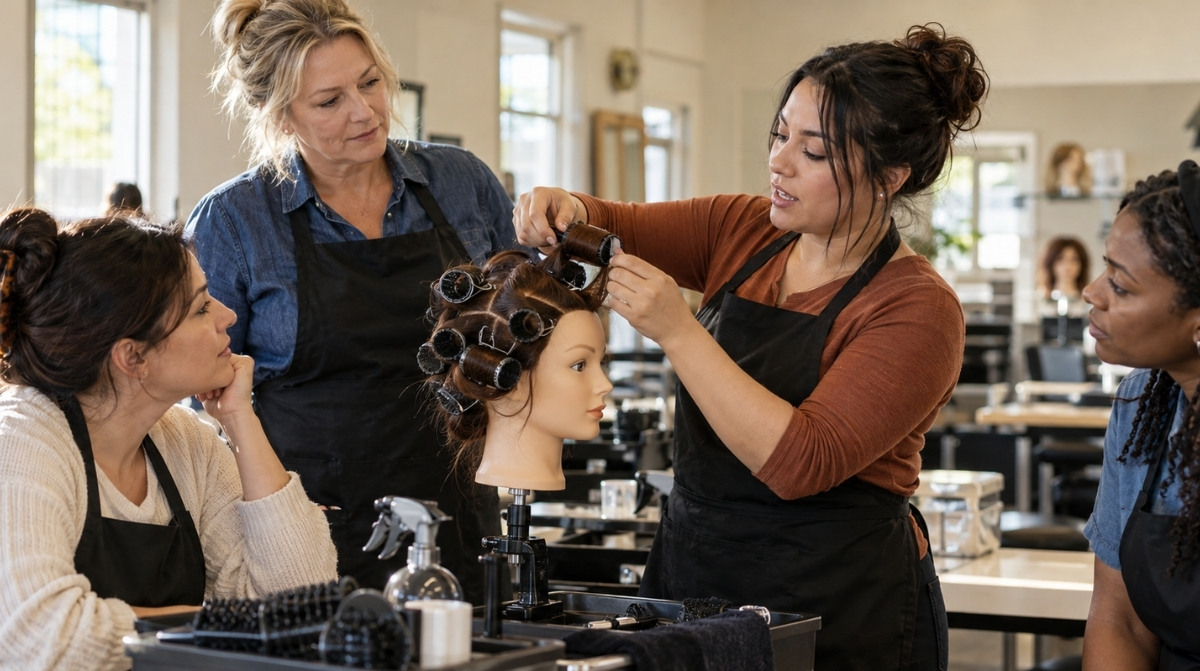
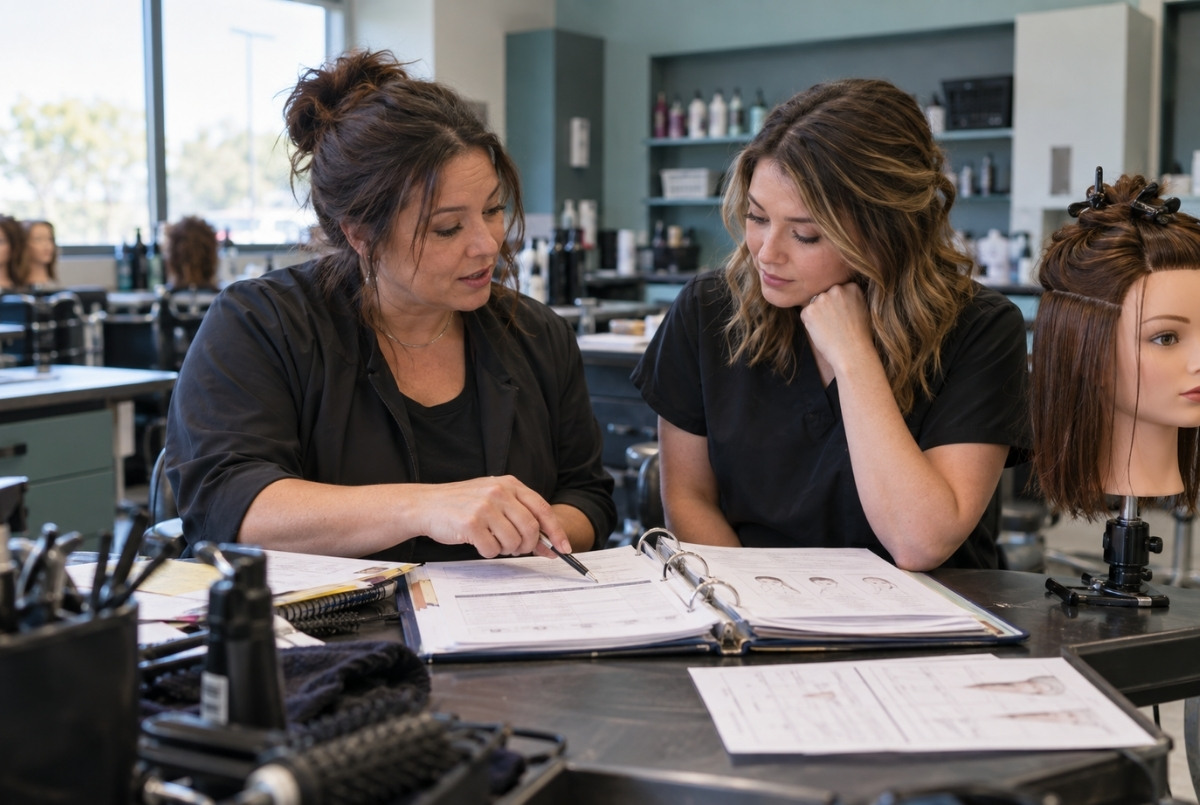
Neosho Beauty and Barber College offers a Nail Technician program focused on the principles of manicuring, nail and hand care, product knowledge, student salon services, practical projects, and preparation for graduation and licensing requirements. Its program materials also identify hands-on experience, salon business, client retention, résumé writing, job-seeking skills, manicures, pedicures, advanced nail techniques, and client relations.
If you want to add hair, skin, lash, barbering, or other services to your career plan, review whether a cosmetology license permits work as an esthetician, barber, lash technician, or nail technician under the applicable state regulations.
A general cosmetology credential is not interpreted identically across every state. Some specialty services may be included within its scope, while others may be restricted, excluded, or regulated under a separate credential. Always verify the exact services permitted under the license you intend to use.
Reviewing the broader range of careers available with a cosmetology license may also reveal options outside routine salon services, including beauty sales, brand support, education, platform artistry, and session styling. Some positions require additional experience, credentials, or employer-specific qualifications.
A state-approved nail or beauty program may develop knowledge in areas such as:
- Nail Anatomy and Structure: Studying the nail plate, matrix, nail bed, surrounding tissue, natural growth, contraindications, and visible concerns that may require a service to be changed, refused, or referred.
- Product Science: Learning how gels, monomers, polymers, primers, adhesives, solvents, and photoinitiators behave during professional services.
- Chemical Safety: Reading Safety Data Sheets, keeping labels intact, storing products responsibly, reducing unnecessary exposure, and following applicable safety instructions.
- Cleaning and Disinfection: Removing visible debris from reusable, nonporous implements before applying an appropriate disinfectant for the required contact time and discarding porous or single-use items when required.
- Infection-Control Procedures: Following rules for hand hygiene, blood exposure, workstations, linens, waste, and pedicure equipment.
- Professional Limitations: Recognizing visible concerns without diagnosing or claiming to treat diseases, infections, or other medical conditions.
- Client Consultations: Reviewing service history, lifestyle, maintenance expectations, known sensitivities, and product considerations before selecting a service.
- Business Fundamentals: Developing skills related to scheduling, pricing, inventory, recordkeeping, licensing responsibilities, client service, and retention.
Completing an appropriate state-approved program can provide the education and supervised experience needed to pursue licensure. Legal authority to provide services begins only after the individual satisfies the applicable state licensing requirements.
Common Questions From Future Nail Professionals
When can a new technician expect a dependable client list?
There is no standard timetable. Some technicians begin developing consistent repeat business within several months, while others need a year or longer. Location, schedule availability, salon traffic, pricing, service timing, local demand, marketing, reviews, and retention all influence the result.
Clear service descriptions, convenient booking, consistent promotion, suitable rebooking, and reliable client experiences may support growth. However, a full appointment book is only sustainable when the pricing and service timing allow the business to remain profitable.
How should a beginner calculate nail-service prices?
Avoid choosing an extremely low price solely to attract appointments. Pricing that does not cover products, time, rent, insurance, payment fees, sanitation supplies, software, and taxes can make the business difficult to maintain.
Compare local providers, calculate direct and indirect costs, estimate the complete time required for each appointment, and include a reasonable profit. If you offer an introductory price, explain the regular value and when the temporary offer ends.
Is a personal website domain necessary?
A custom domain is useful but not mandatory. An address such as www.yourbrand-nails.com can make the business easier to remember and offers more control than relying entirely on social media or a generic scheduling profile.
A domain alone does not guarantee stronger local search visibility. Other relevant factors include a complete Google Business Profile, consistent business information, appropriate categories, useful service and location pages, credible reviews, and trustworthy local links.
What is a realistic social media posting schedule?
There is no universal schedule that works for every nail account. Consistency and usefulness generally matter more than posting several times each day.
A practical starting routine might include three strong feed posts each week, with stories added when you have appointment openings, educational tips, client-approved transformations, or worthwhile behind-the-scenes content. Track profile visits, booking clicks, inquiries, and completed appointments to determine which posts contribute to actual business results.
What information belongs on a nail booking page?
A useful booking page should provide service descriptions, estimated durations, starting prices, deposit requirements, cancellation terms, removal fees, repair policies, maintenance expectations, location details, and instructions for first-time clients.
When the correct appointment cannot be selected without more information, ask the client to send a current photograph or contact the technician before booking. This reduces the risk of reserving too little time or selecting the wrong service.
Can nail professionals work on infected or medically damaged nails?
Nail professionals may provide cosmetic services only within the scope established by their state. They can observe visible conditions, decline an unsafe appointment, and recommend that a client consult an appropriate healthcare professional.
They should not diagnose fungal infections, prescribe treatments, or advertise that a cosmetic nail service cures disease. Unexplained discoloration, pain, swelling, drainage, open skin, or suspected infection may justify postponing the service and recommending medical evaluation.
Start Building Your Future in Nail Care
Creative interest can become a lasting career when it is supported by structured education and supervised practice. At Neosho Beauty and Barber College, students can develop technical abilities through hands-on experience, practical projects, student salon services, product education, client relations, and salon-business preparation.
Located in Neosho, Missouri, the NACCAS-accredited school offers daytime education in cosmetology, esthetics, manicuring, and instructor training. Its programs have been developed over more than 40 years to help students prepare for graduation requirements, licensing examinations, and entry into the beauty industry.
Take the next step toward your professional goals. Visit the Enrollment page or complete the contact form below to request information and schedule a campus tour.